Lead exposure mitigation efforts in Indonesia have just made significant progress in 2025. As part of the Strengthening Health Systems to Reduce Lead Exposure project, Yayasan Pure Earth Indonesia in collaboration with the Ministry of Health and the National Research and Innovation Agency (BRIN), and with technical support from Vital Strategies, has successfully implemented the First Phase of the Blood Lead Surveillance (BLS) Pilot in 12 selected locations across six provinces in Indonesia.
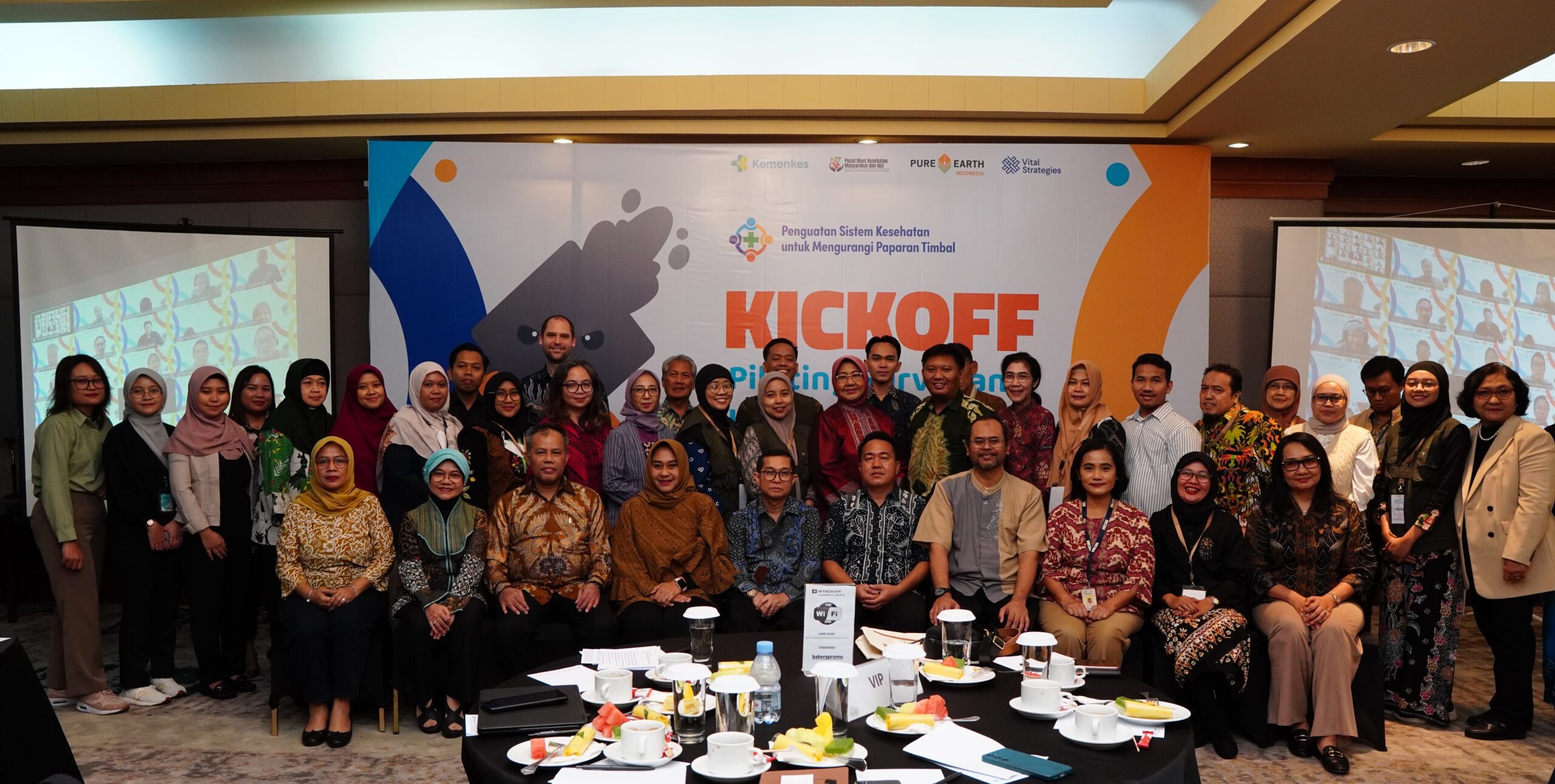
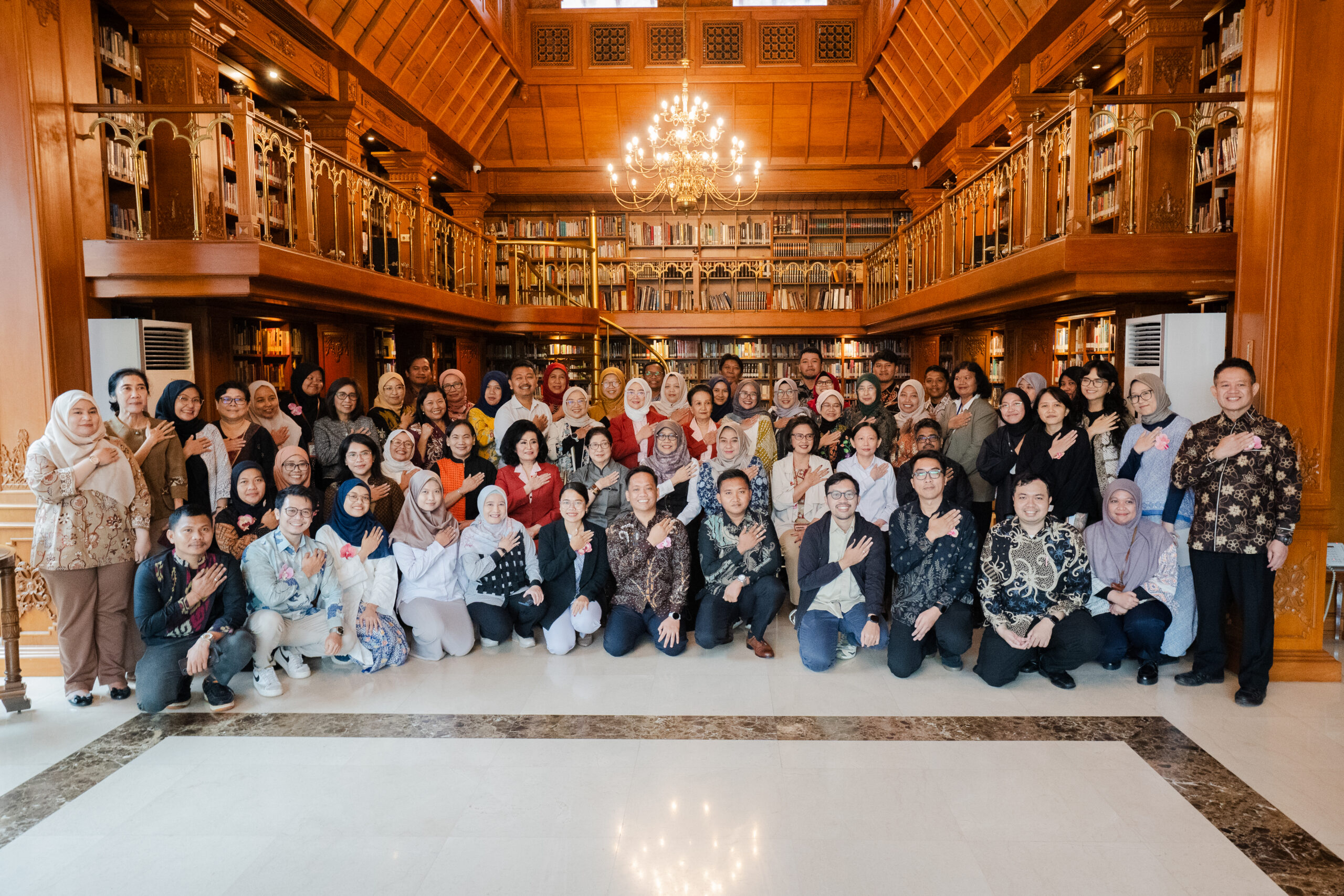
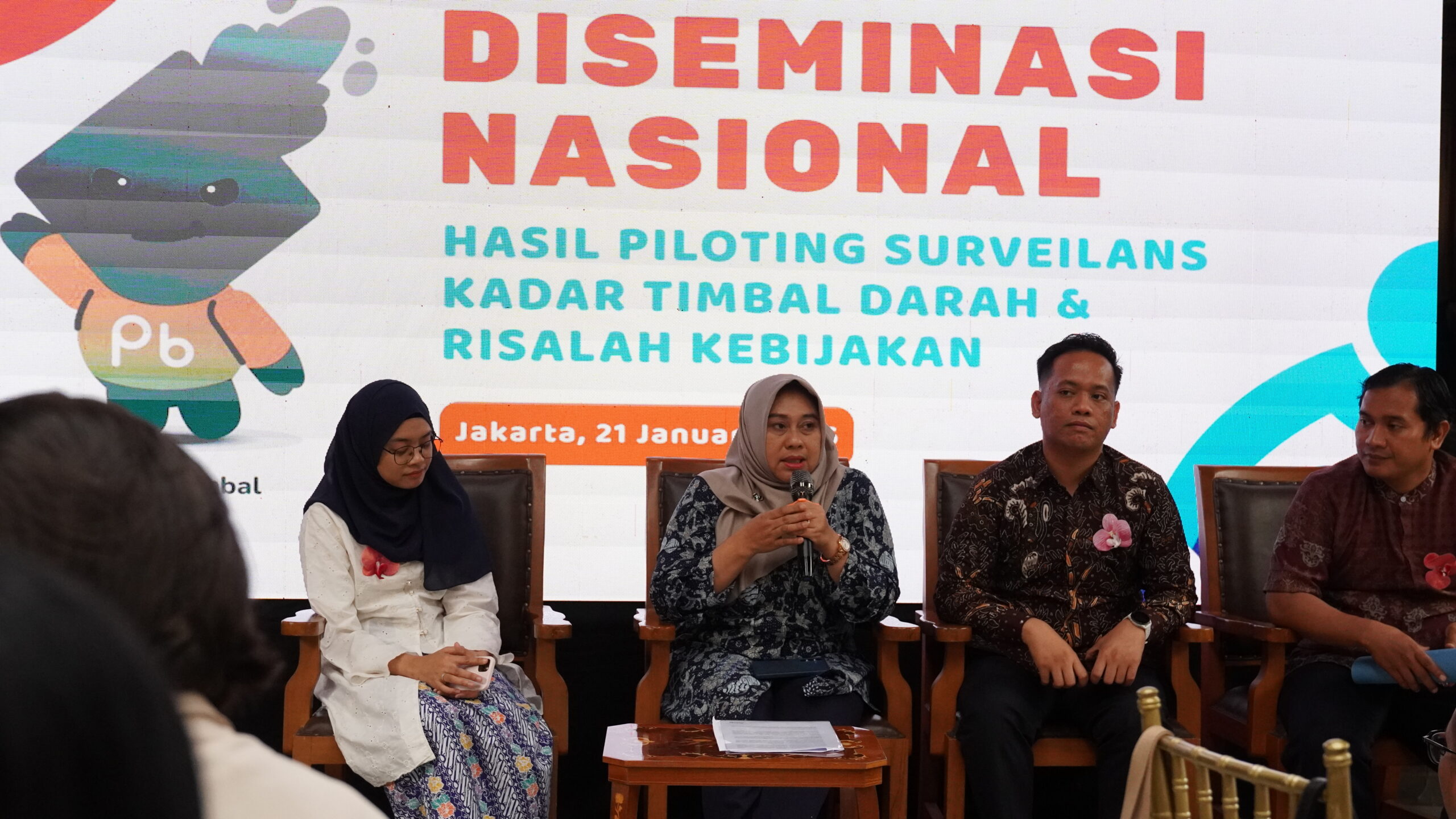
As the surveillance concluded, a national dissemination event bringing together cross-sectoral stakeholders was held to present the BLS findings. “In addition to reporting on the implementation and results, we also presented policy recommendations based on the findings to support more targeted and effective prevention and mitigation of lead exposure from both health and environmental perspectives,” said Alfi Sina Vinci, Program Coordinator of the project, during the event held on 21 January 2026 in Jakarta.
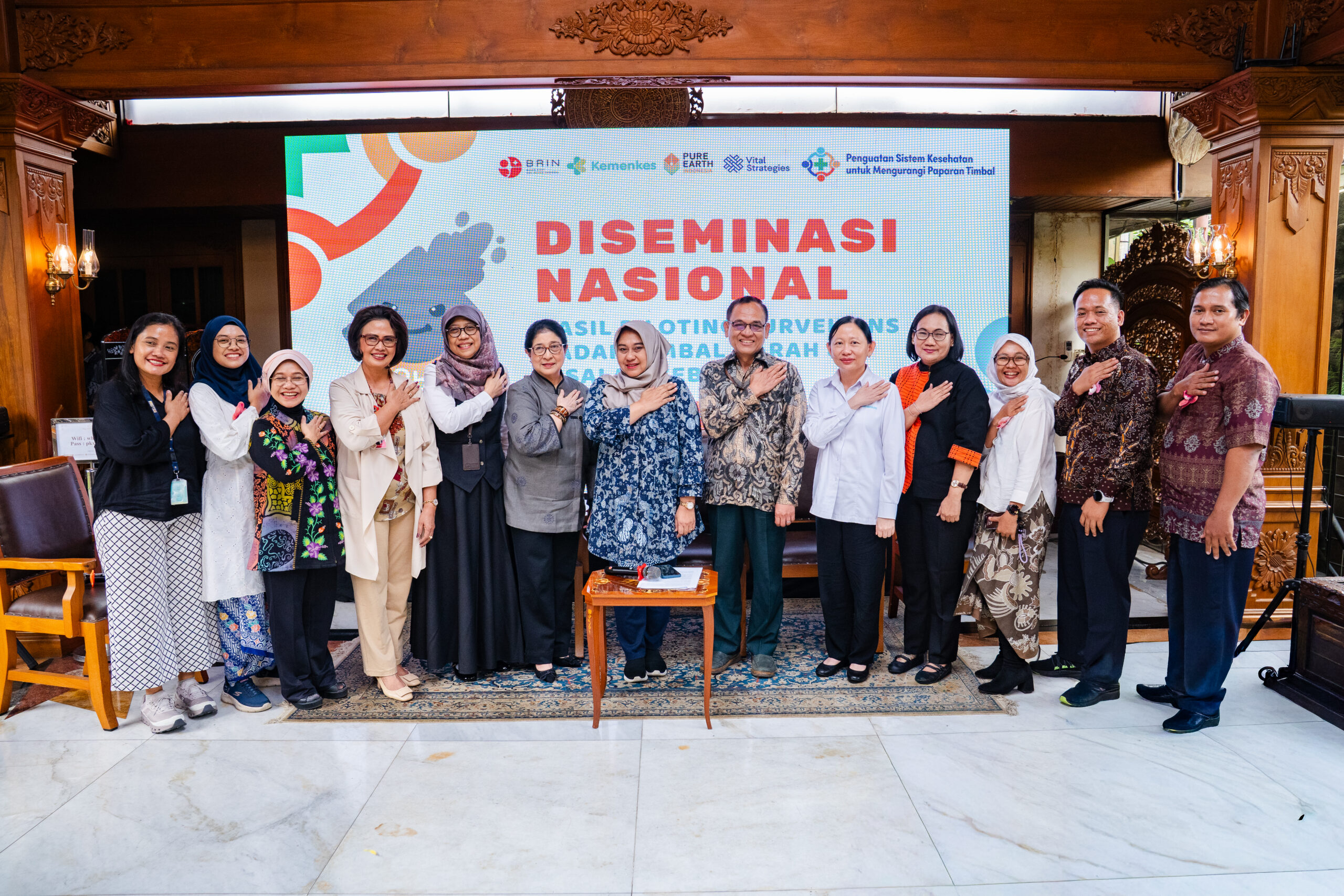
A crucial baseline for effective interventions
The BLS results provide the government a clear picture of the magnitude of lead exposure among children across six key provinces. They have identified important, preventable risk factors and sources of exposure that can be addressed through clinical, environmental, and public policy interventions.
“Prevalence data on blood lead levels and potential major sources of exposure are crucial as a foundation for targeted policy formulation. Without data, prevention efforts are difficult to measure and evaluate. The Ministry of Health already has National Guidelines for the Clinical, Community, and Environmental Management of Lead Exposure, which can serve as a reference for health facilities to implement appropriate interventions,” explained Dr. dr. Then Suyanti, MM, Director of Environmental Health of the Minister of Health, in her speech.
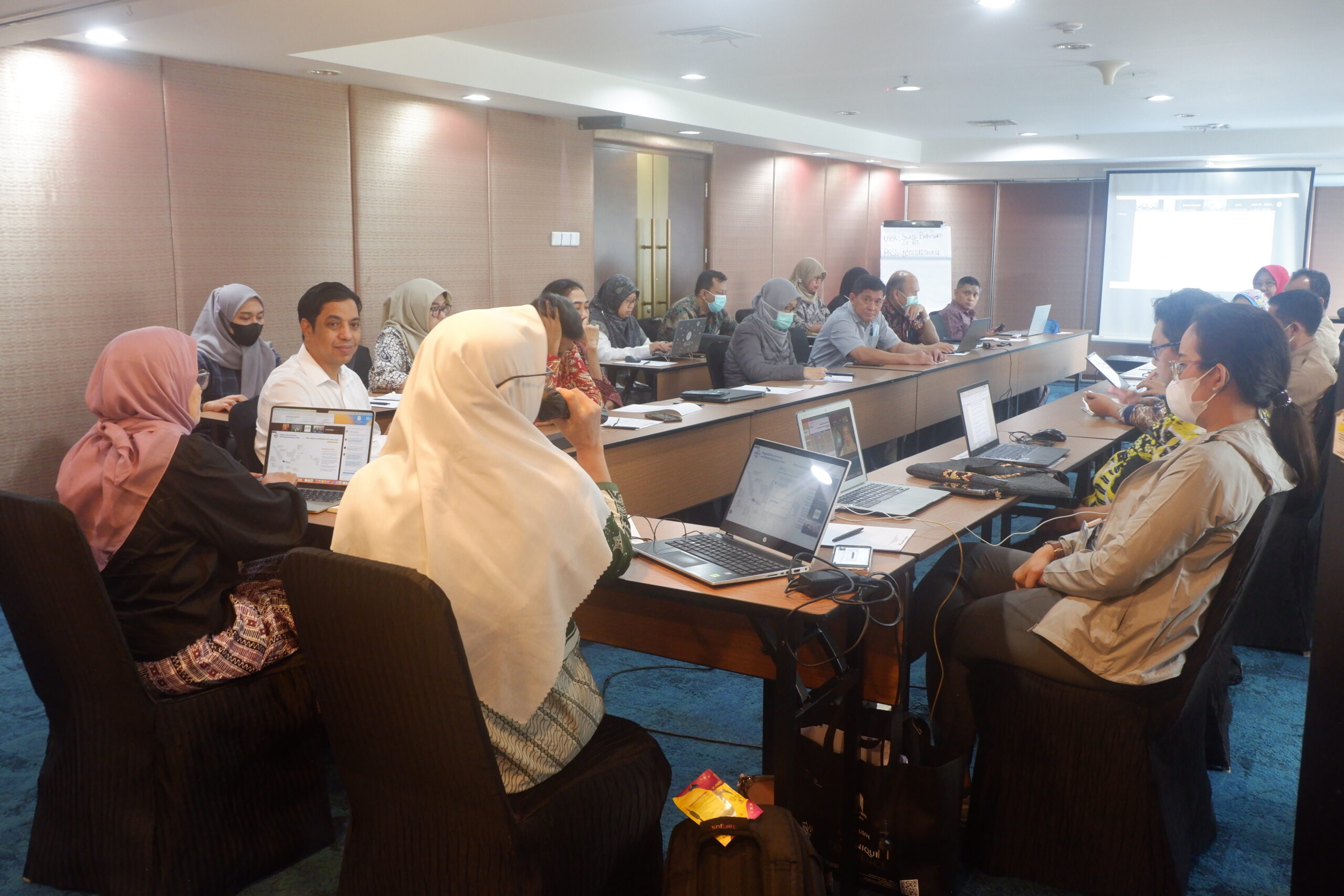
The First Phase of BLS Pilot was conducted from May to November 2025, involving 1,617 children aged 12–59 months. Activities included training of community health cadres and health workers, testing children’s blood lead levels, collecting samples and testing lead content in household products and the home environment, as well as disseminating results and providing counseling to parents or guardians. The surveillance engaged a wide range of stakeholders at the national, subnational, and community levels.
“Through coordination with various relevant parties, BLS was implemented using rigorous research methodologies, from study design and sample selection to data collection and analysis. This was done to ensure that the resulting data can serve as a reference for evidence-based policymaking,” said Prof. drh. Ni Luh Putu Indi Darmayanti, Head of the Research Organization for Health, National Research and Innovation Agency (BRIN).
Opportunities amidst alarming results
The BLS results show that 1 in 7 Indonesian children has a blood lead level above 5 micrograms per deciliter (µg/dL), the threshold set by the Ministry of Health for clinical and environmental intervention. Findings also indicate that children living in homes with chipping paint have a 55% higher risk of having blood lead levels ≥5 µg/dL, while parental occupations related to lead, use of metal cookware, and use of cosmetic powder are associated with higher blood lead levels in the children. Access to higher education and higher income are protective factors associated with lower blood lead levels, reinforcing the need for equity-focused policies to tackle lead exposure in all children.
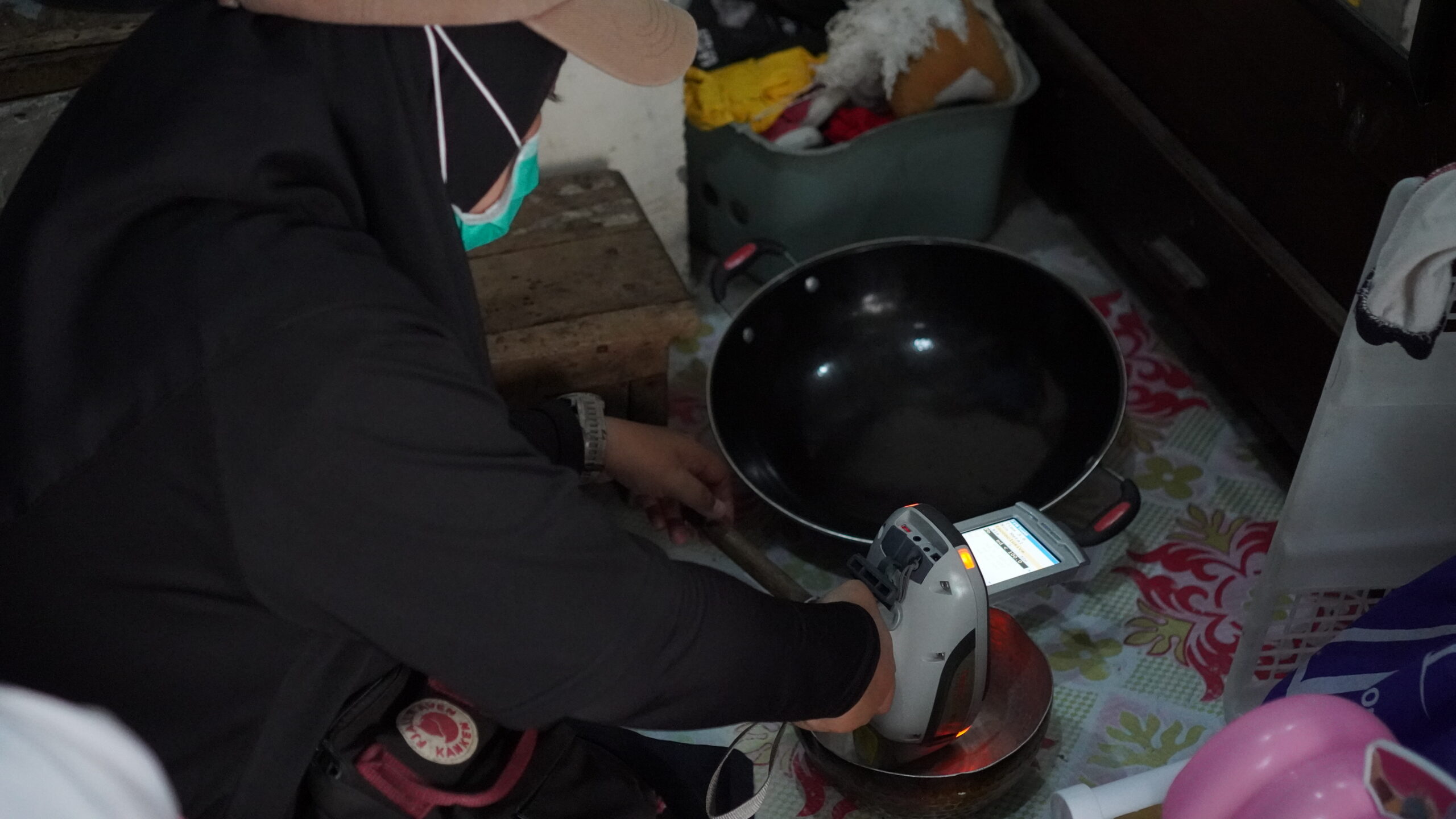
The surveillance also identified sources of lead exposure in the home environment. In the analysis of products in a subset of 20% of the children, above 20% of samples of metal cookware, ceramic and plastic tableware/foodware, cosmetics, children’s and parents’ clothes, and children’s toys contained lead above the threshold. For every twofold increase in lead concentration in soil, there was an average 8% increase in children’s blood lead levels.
“These findings, which inform effective strategies to reduce children’s exposure to lead, will complement Indonesia’s success in being one of the first countries to develop clinical guidelines for lead poisoning consistent with WHO recommendations.” said Edwin Siswono, Epidemiologist at Vital Strategies.
The need for a sustainable BLS system and comprehensive cross-sectoral policies
Strengthening the health system through nationwide blood lead level surveillance is one of the key recommendations. Budi Susilorini, Director of Yayasan Pure Earth Indonesia, emphasized the need to record cases, monitor environmental risk factors, and map high-risk areas at a larger scale.
“We can draw lessons from the First Phase of BLS Pilot to scale it up nationally. This can be done gradually, starting with strengthening the capacity of qualified health personnel and laboratories for blood lead testing, and integrating children’s blood lead level test results into existing national programs,” Budi added.
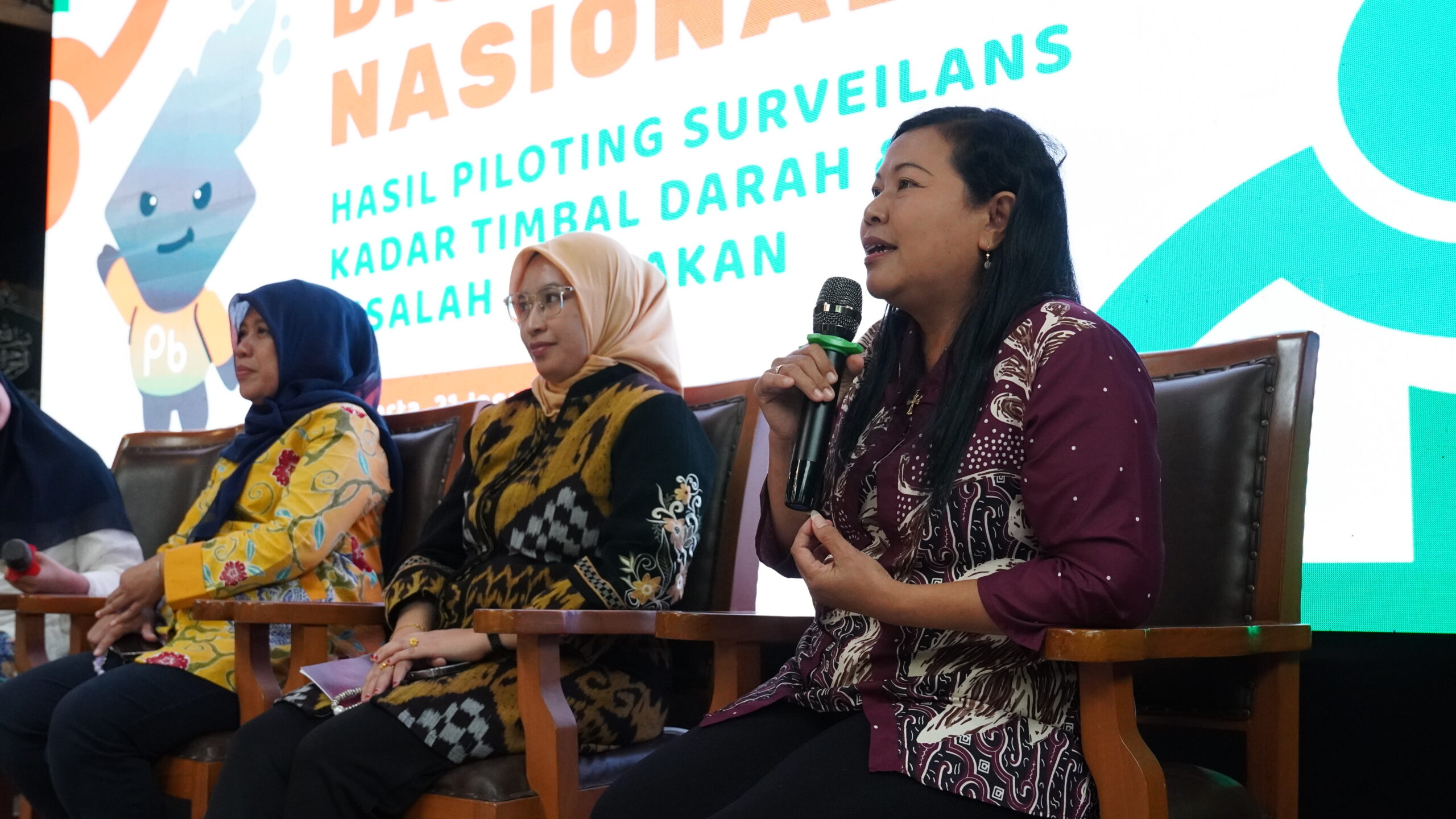
Dr. Then underscored that the First Phase of BLS Pilot demonstrates the need for stronger cross-sectoral coordination, particularly among the health, environment, industry, trade, and other relevant sectors, to produce concrete and impactful policies to address lead exposure. “The BLS results show that preventing lead exposure cannot be undertaken by the health sector alone. Joint cross-sectoral action is required to ensure effective and sustainable control of lead exposure sources. These results are also expected to support the development of the National Action Plan for a Lead-Free Indonesia, currently being initiated by the Coordinating Ministry for Human Development and Culture (Kemenko PMK),” she stated.
Read the Policy Brief of the First Phase of BLS Pilot in Indonesia here.