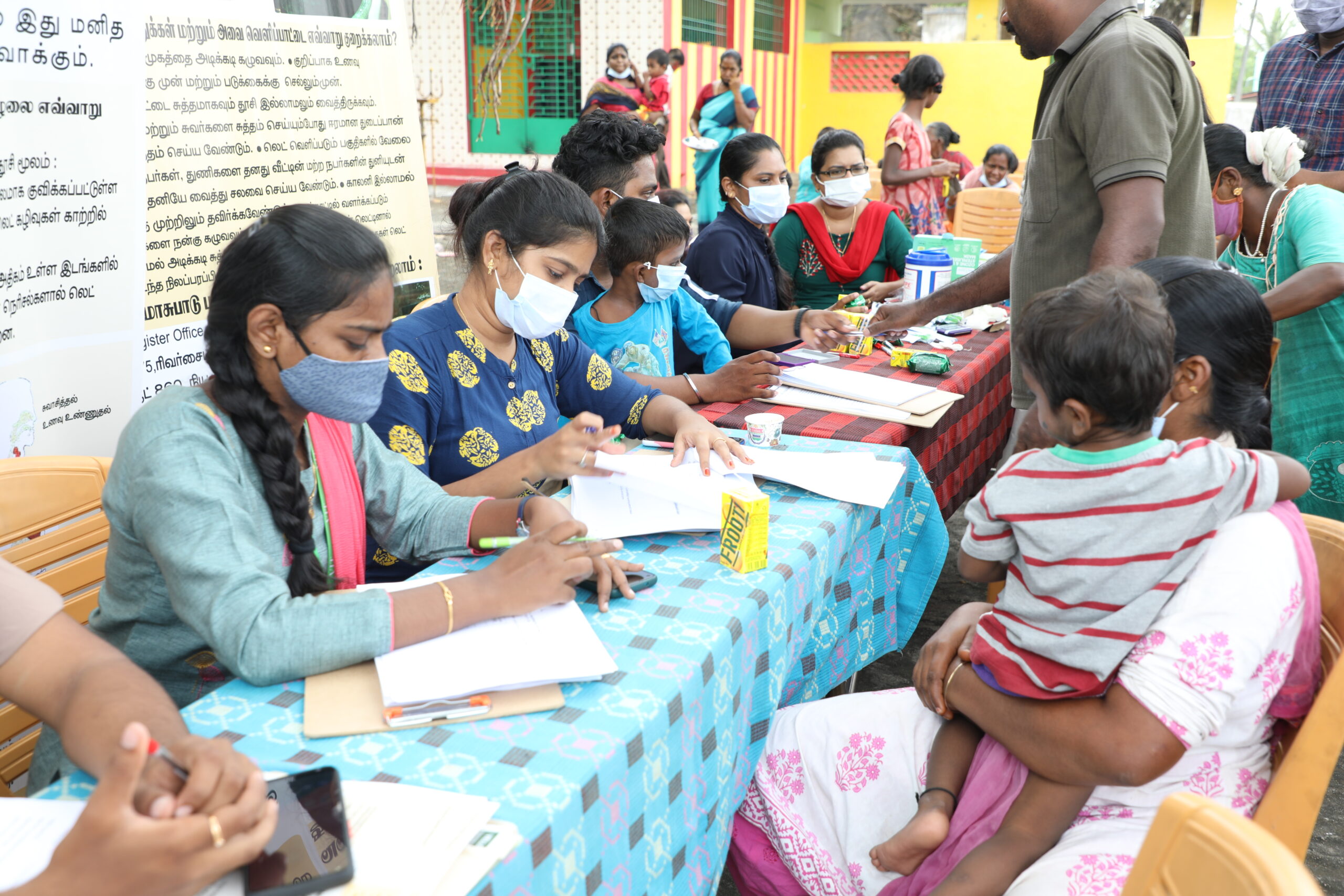
A strategic partnership has been formed to mitigate childhood lead poisoning in Maharashtra, India. Funded by Takeda, the “Strengthening Health Systems to Reduce Lead Exposure” project leverages the collective expertise of PE Lead India (Pure Earth), Vital Strategies and the Maharashtra Public Health Department. The project focuses on strengthening district-level capacity to detect, monitor, and prevent childhood lead exposure.
Scaling impact across Maharashtra
Reflecting a commitment to scaling health interventions across Maharashtra, the project has successfully concluded training in seven out of eight priority districts. The recent completion of the capacity-building and institutional strengthening training in Hingoli—joining Pune, Thane, Kolhapur, Dharashiv, Gondia, and Amravati—underscores the project’s satisfactory trajectory toward full regional implementation.
Hingoli Marks Key Project Milestone
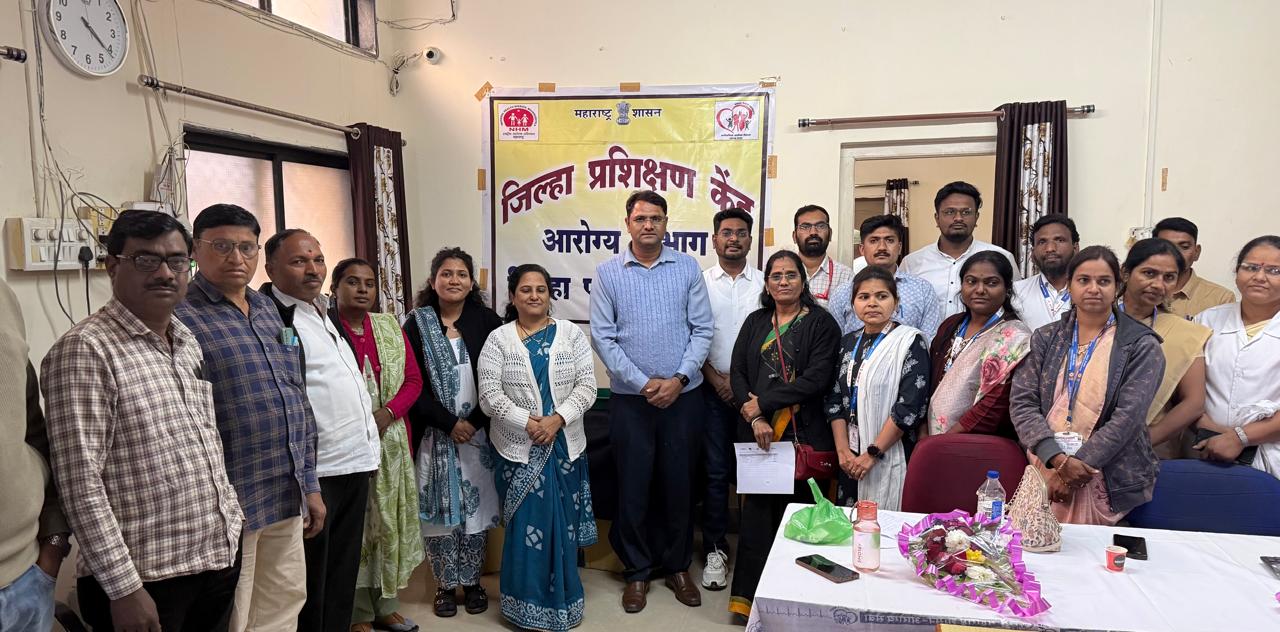
On December 23, 2025, Pure Earth (PE Lead India) and Vital Strategies conducted a one-day capacity-building session in Hingoli. This institutional strengthening initiative engaged 29 participants from the Public Health Department of Maharashtra, including qualified health professionals and community health workers, to enhance local response to lead exposure.

Key Areas of Training
Blood Lead Level Testing
The training emphasized Blood Lead Level (BLL) testing as the definitive diagnostic standard for identifying lead exposure. Participants received comprehensive instruction on screening protocols for children aged 1–6, the demographic at highest risk for lead exposure. The curriculum also covered the clinical interpretation of results, established referral pathways for medical follow-up, and the implementation of targeted community-level interventions.
Home-Based Assessments (HBA)
The training included an orientation on home-based assessments to identify potential household sources of lead exposure. Participants learned systematic approaches to assess risks associated with cookware and utensils, paints and pigment-based products, toys and household items, spices, and other commonly used materials. The importance of risk communication and counseling for families was emphasized.
Cultivating Local Capacity for Long-Term Sustainability
Each district-level training is designed to fortify local health infrastructure, empowering systems to independently manage lead surveillance and prevention. The project’s success is anchored in the active involvement of government officials, qualified medical professionals, and community health workers—a collaboration that ensures seamless knowledge transfer and fosters enduring community engagement.
The Way Forward
With training completed in seven of the eight identified districts, the Takeda Project is close to achieving full state-wide coverage. The remaining district, Nandurbar, is scheduled to be covered soon, further advancing the project’s goal of establishing a robust and sustainable framework for childhood lead surveillance and the creation of safer living environments for children across Maharashtra.