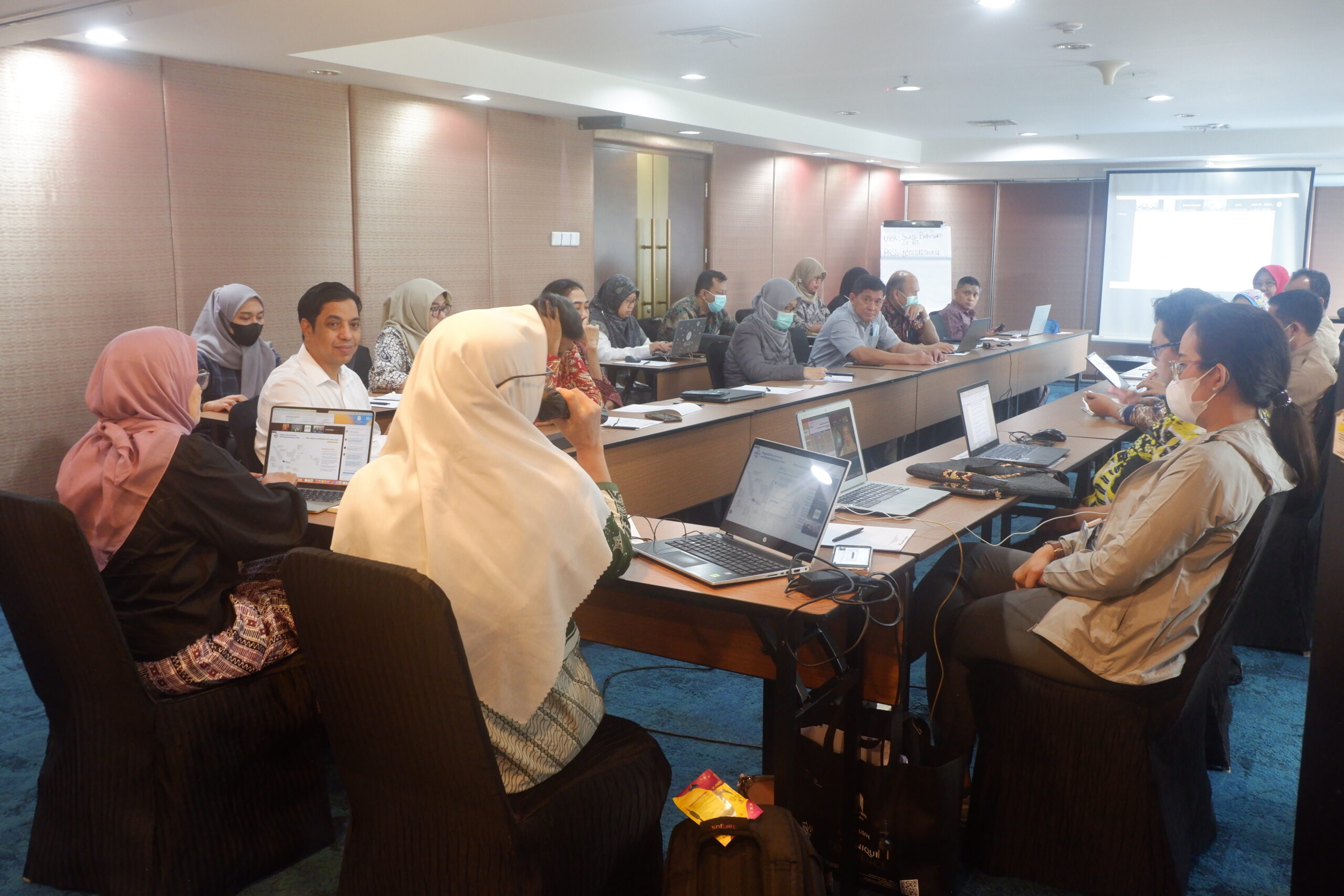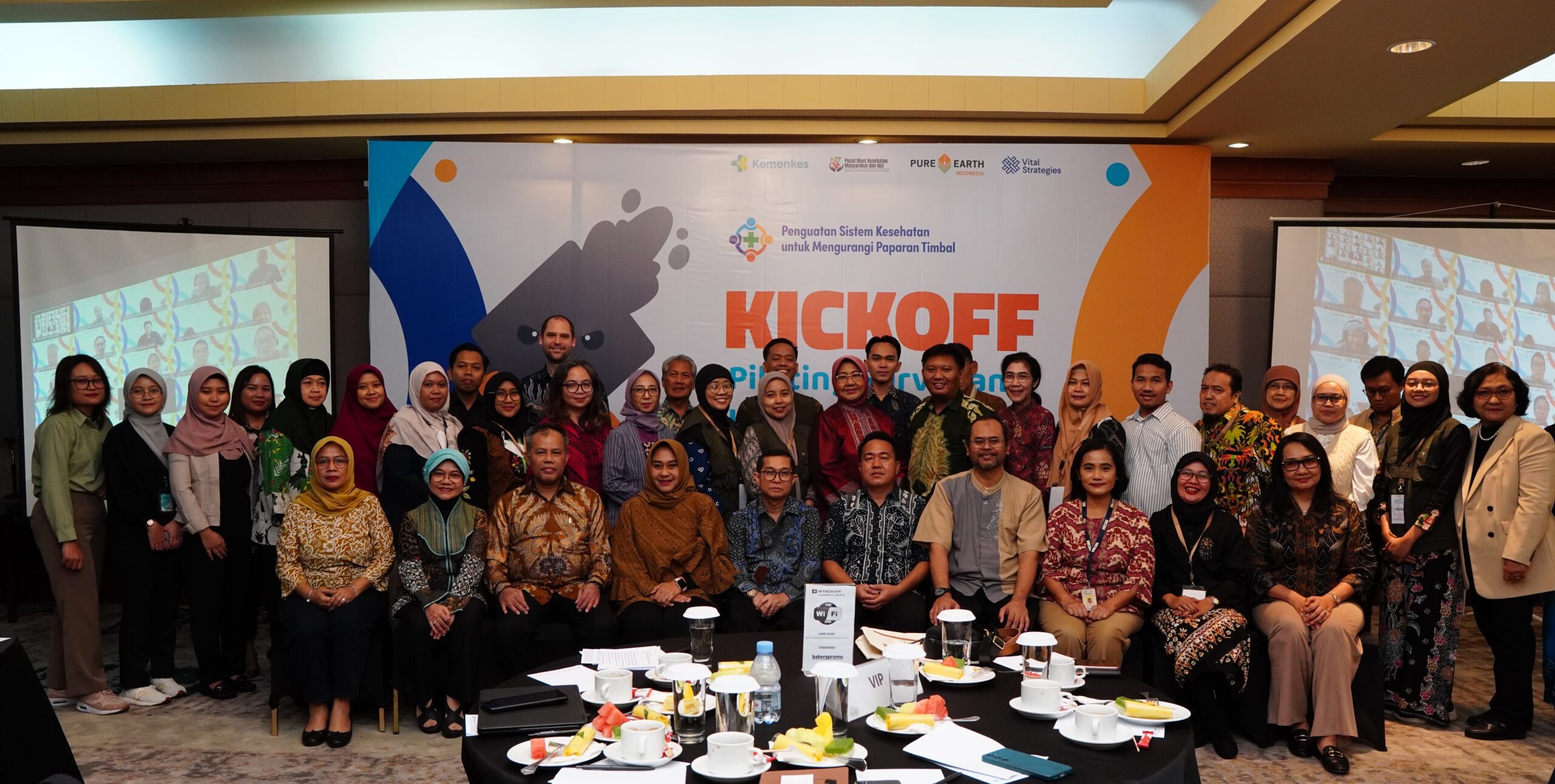

After months of extensive preparation, the first phase of blood lead surveillance (BLS) pilot in Indonesia, as part of the Strengthening Health Systems to Reduce Lead Exposure project, has officially begun. The BLS pilot, initiated by Yayasan Pure Earth Indonesia and Vital Strategies in collaboration with the Ministry of Health and the National Research and Innovation Agency (BRIN), which collectively form the Technical Team, aims to collect data on the prevalence of blood lead levels in Indonesian children. Over 1,600 children aged 12 to 59 months, across 12 locations in Indonesia, will participate in the first phase of the BLS pilot.
But before reaching this point, a critical step was taken, a small yet significant pre-survey involving 20 children in Tangerang Regency, Banten. Conducted just two weeks before the BLS pilot rollout, the pre-survey laid the essential foundation for the success of the broader initiative.
Testing the Surveillance Design and Workflow
A preparatory survey is one of the most important phases in any large-scale public health program. In the case of the BLS pilot, the pre-survey allowed the Team to test every surveillance component, from training personnel to collecting and testing blood samples and conducting home-based assessments.
“We conduct the pre-survey to test the surveillance design to ensure it is on target and does not lose its principles as a health monitoring instrument,” explained Alfi Sina Vinci, Program Coordinator of the project.
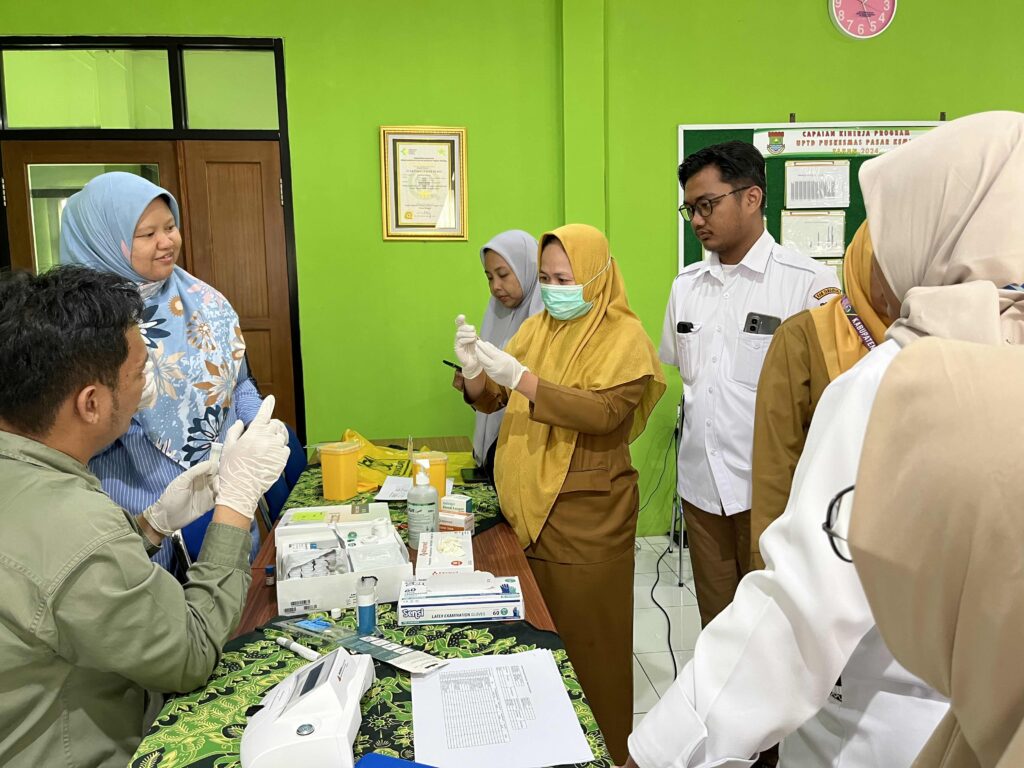
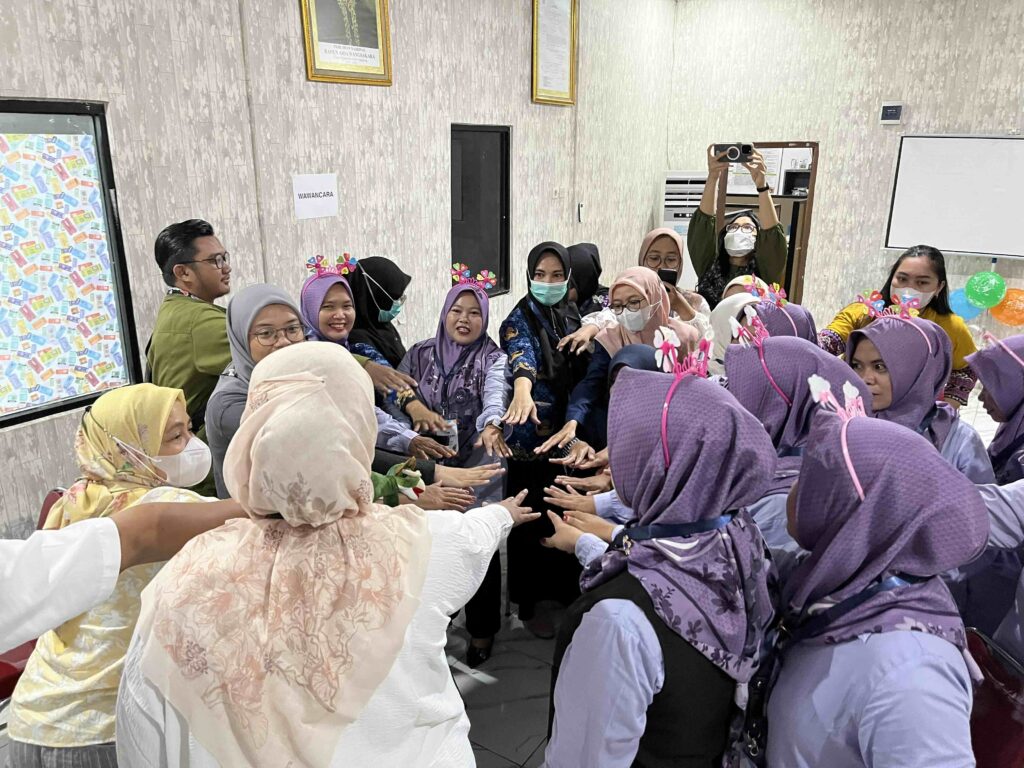
As in the planned surveillance, the pre-survey activities began with a two-day training for the Field Team, which plays crucial roles in the surveillance, including community health workers (CHWs), healthcare providers, and enumerators.
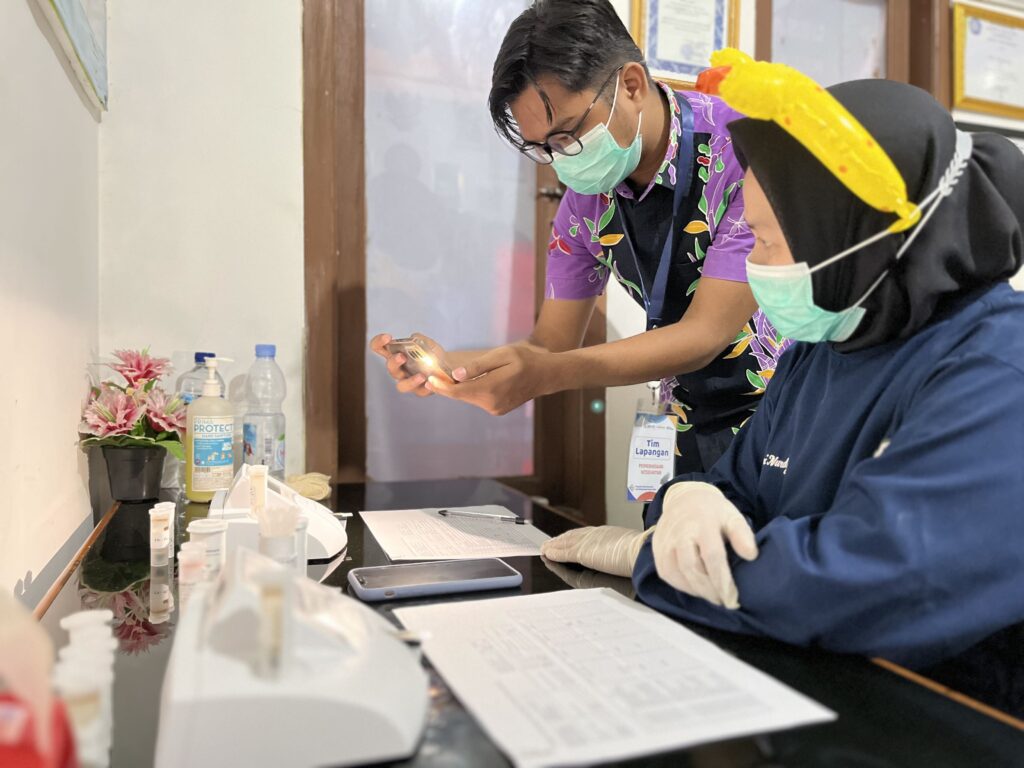
CHWs are responsible for engaging with families, educating them about lead exposure, and mobilizing participation. Healthcare providers are trained to perform safe and efficient blood withdrawals and testing using the LeadCare II Analyzer. While enumerators are responsible for conducting structured interviews and visiting participants’ homes to sample and assess potential sources of lead exposure using portable X-ray Fluorescence (XRF) analyzers.

Facilitated by Pure Earth Indonesia and Vital Strategies, the training equipped them with the knowledge and skills needed to play their respective roles. In addition to technical skills and procedures, the training also aimed to give confidence, trust, and communication skills, which are essential when working with children and families in sensitive health matters. The pre-survey assessed the delivery and materials of the training sessions, which helped the Technical Team make necessary adjustments for future training sessions.
The pre-survey also tested the workflow of blood lead samples collection, from the participation mobilization, the interview process, the blood drawing and testing, to the provision of compensation to the participants. This also applies to the home-based assessment, where it tests not only the sampling techniques and workflow, but also the resource and logistical capacity needed for the assessment.
A Model for A Scalable BLS Pilot
The success of the pre-survey in Tangerang served as a model that gave the Team a picture of how the BLS pilot will be implemented in twelve selected districts/cities across six provinces: East Java, Central Java, South Sumatra, Lampung, Bali, and West Nusa Tenggara.
It provided valuable insights for the Team to refine data collection and sampling procedures and workflows, identify and address technical issues as well as logistical challenges, and to conduct better preparation and communications. In addition, it also provided insights into the partnership mechanism needed with sub-national stakeholders to ensure effective field implementation of the future BLS or a potential scale-up to the national level.
“This pre-survey has enabled us to test the research protocol and make improvements to the research methods to ensure better data quality. It also allowed us to map the resources available from our government partners, who are responsible for implementing the BLS. Overall, the pre-survey is expected to support the successful implementation and future follow-up of the BLS pilot program,” said Edwin Siswono, Epidemiologist at Vital Strategies.
The BLS activities will be conducted sequentially in the selected twelve locations and are planned to conclude in the third quarter of 2025. Subsequently, a surveillance result counseling session for the participants and result dissemination to the stakeholders will be conducted in the last quarter of the same year.
Learn more about the implementation of the Strengthening Health Systems to Reduce Lead Exposure project in Indonesia.