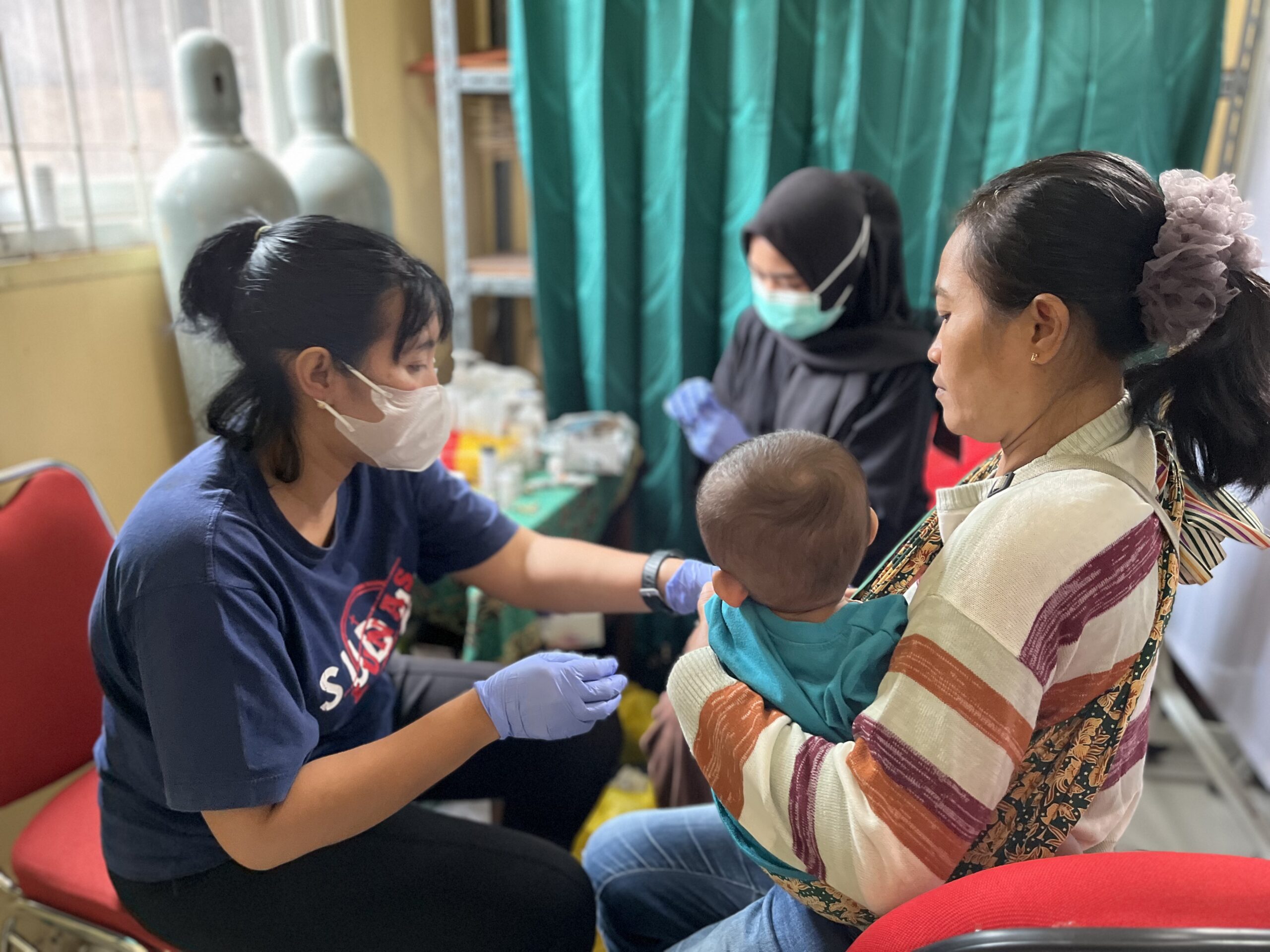
If you visit any Posyandu (Integrated Health Post) in Indonesia, you will see an almost identical scene: a midwife examining children, health cadres assisting, and mothers queuing while carrying their children. This is no coincidence; Indonesia’s community health system is largely driven by women.
Midwives are the frontline of healthcare closest to the community. At Posyandu, they examine the health of children, record developmental milestones, provide consultations, and ensure patients receive timely referrals. Posyandu cadres, predominantly homemakers, complement this role through personal approaches and an understanding of local context. With great dedication, they serve as an extension of the Puskesmas (Community Health Center), ensuring that health promotion and prevention efforts reach all layers of society. Meanwhile, within the household, women are generally the primary pillar of family health. They teach children and remind family members to practice clean and healthy living behaviors.
Collectively, women’s roles are crucial in preventing health problems in the community, including those from lead exposure. In the context of lead exposure, the solution is not merely about treatment but about prevention that begins at home and is reinforced within the community. This is why the roles of women, from healthcare workers and cadres to homemakers, are deeply strategic. They are present at exactly the points where prevention can be carried out at the earliest possible stage.
The Backbone of Blood Lead Surveillance (BLS) Pilot
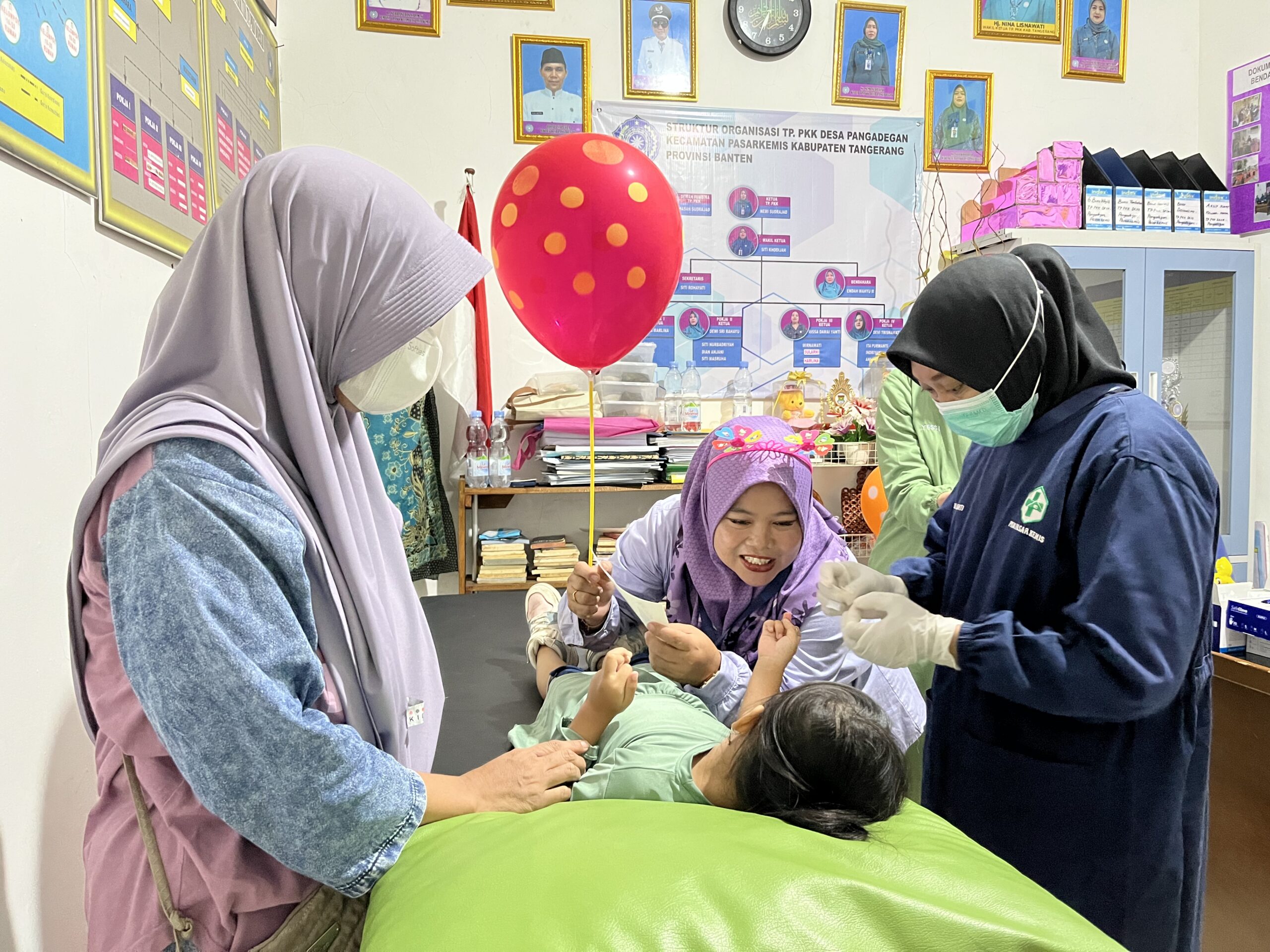
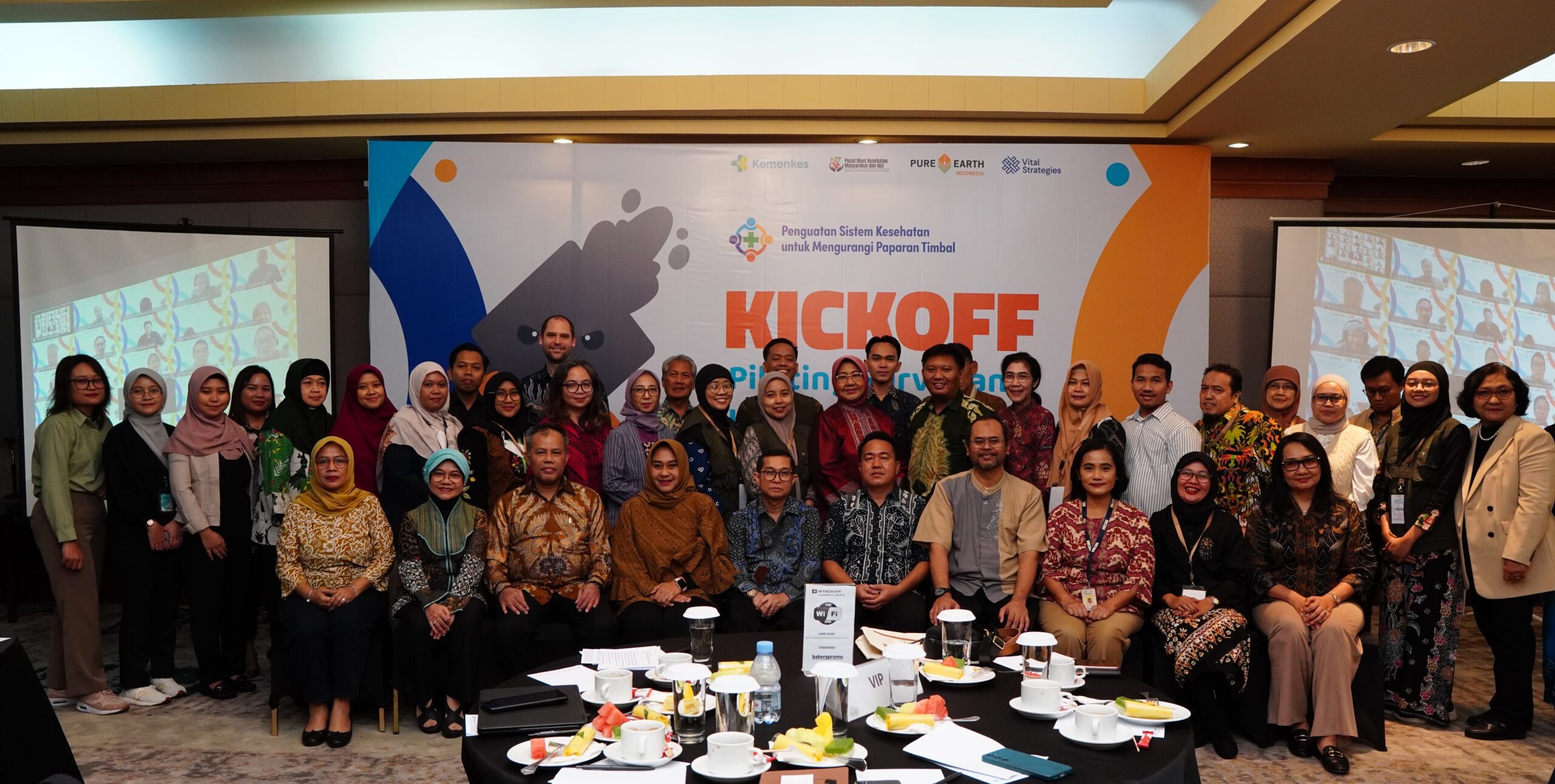
These roles became visibly evident in the implementation of the First Phase of Blood Lead Level Surveillance (BLS) Pilot in Indonesia, a collaboration between the National Research and Innovation Agency (BRIN), the Ministry of Health, Pure Earth, and Vital Strategies. The BLS Pilot was initiated in response to alarming data: according to the Institute for Health Metrics and Evaluation (IHME, 2023), 22 million Indonesian children have blood lead levels above 5 µg/dL, the intervention threshold set by the Ministry of Health and the World Health Organization (WHO). This is a serious matter, given that there is no safe level of lead in the blood; even the smallest amount can disrupt children’s growth and development, impair brain development, and cause other health problems.
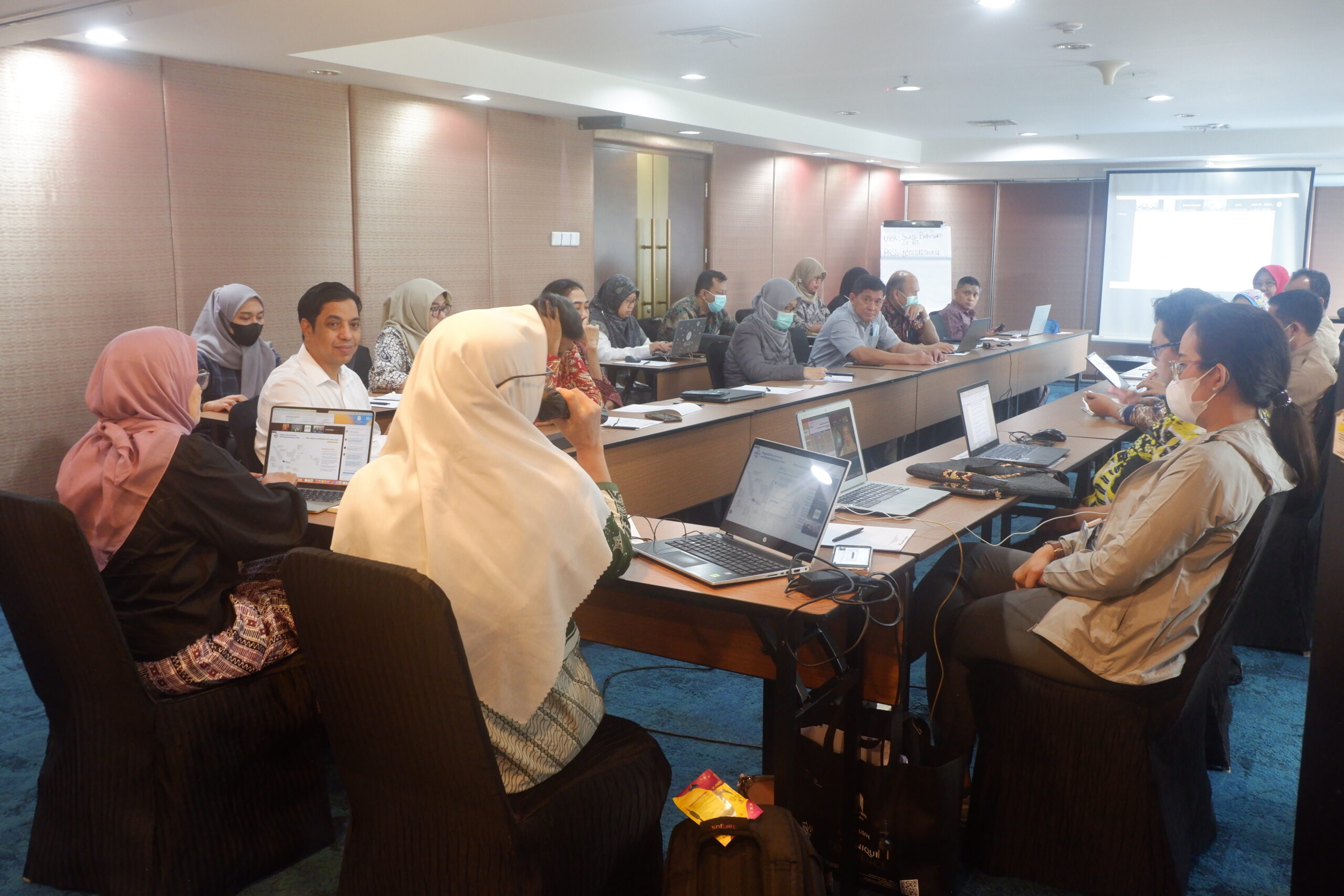
Conducted from May to November 2025 across 12 districts/cities in six provinces, the BLS Pilot involved a wide range of participants including midwives, doctors, nurses, health sanitarians, health promotion officers, laboratory analysts, Posyandu cadres, village and sub-district officers, and families. The initiative aimed to initiate early detection of blood lead levels in children so that intervention could be carried out more promptly, and the health system could be strengthened to reduce lead exposure sustainably.
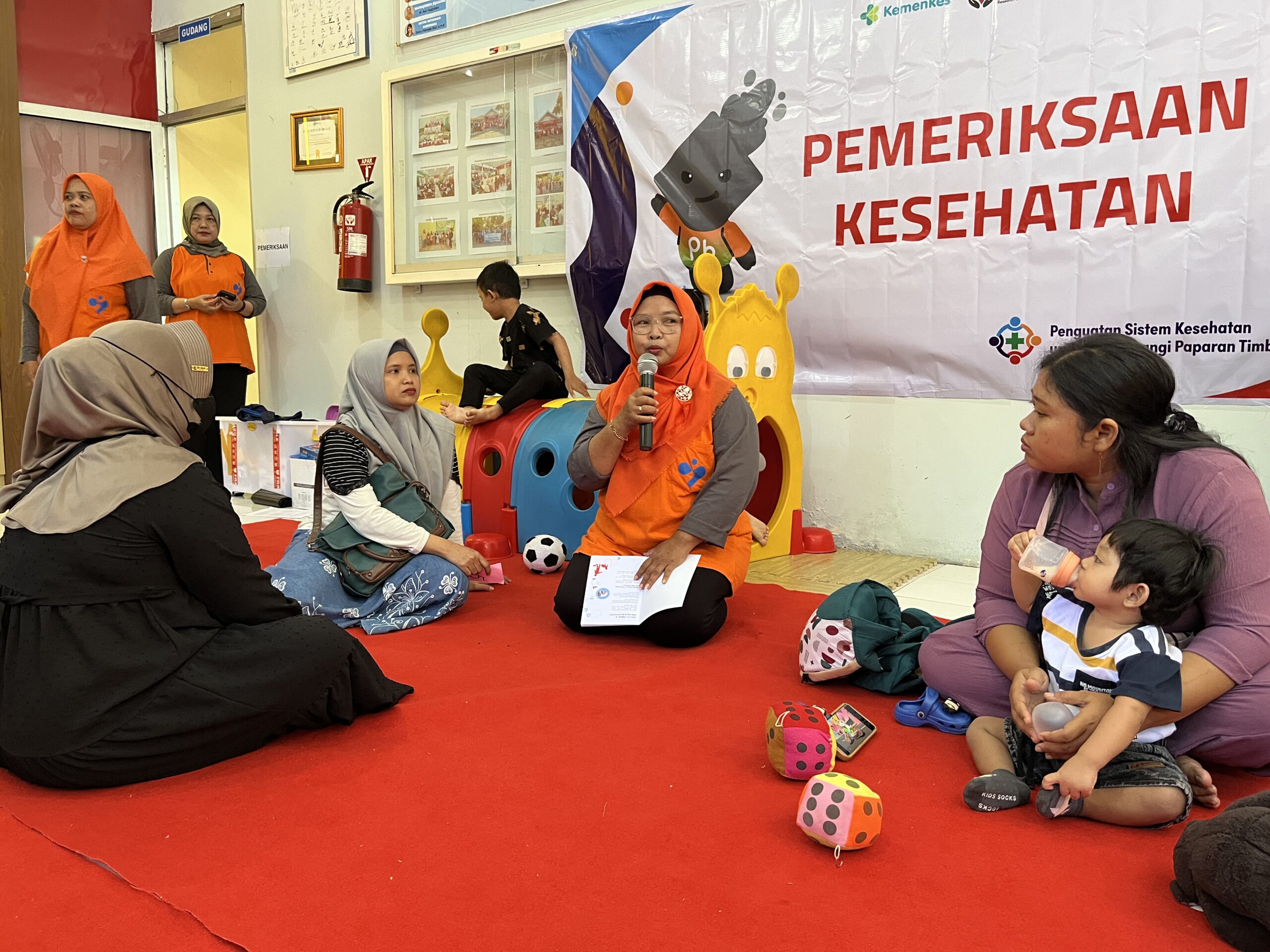
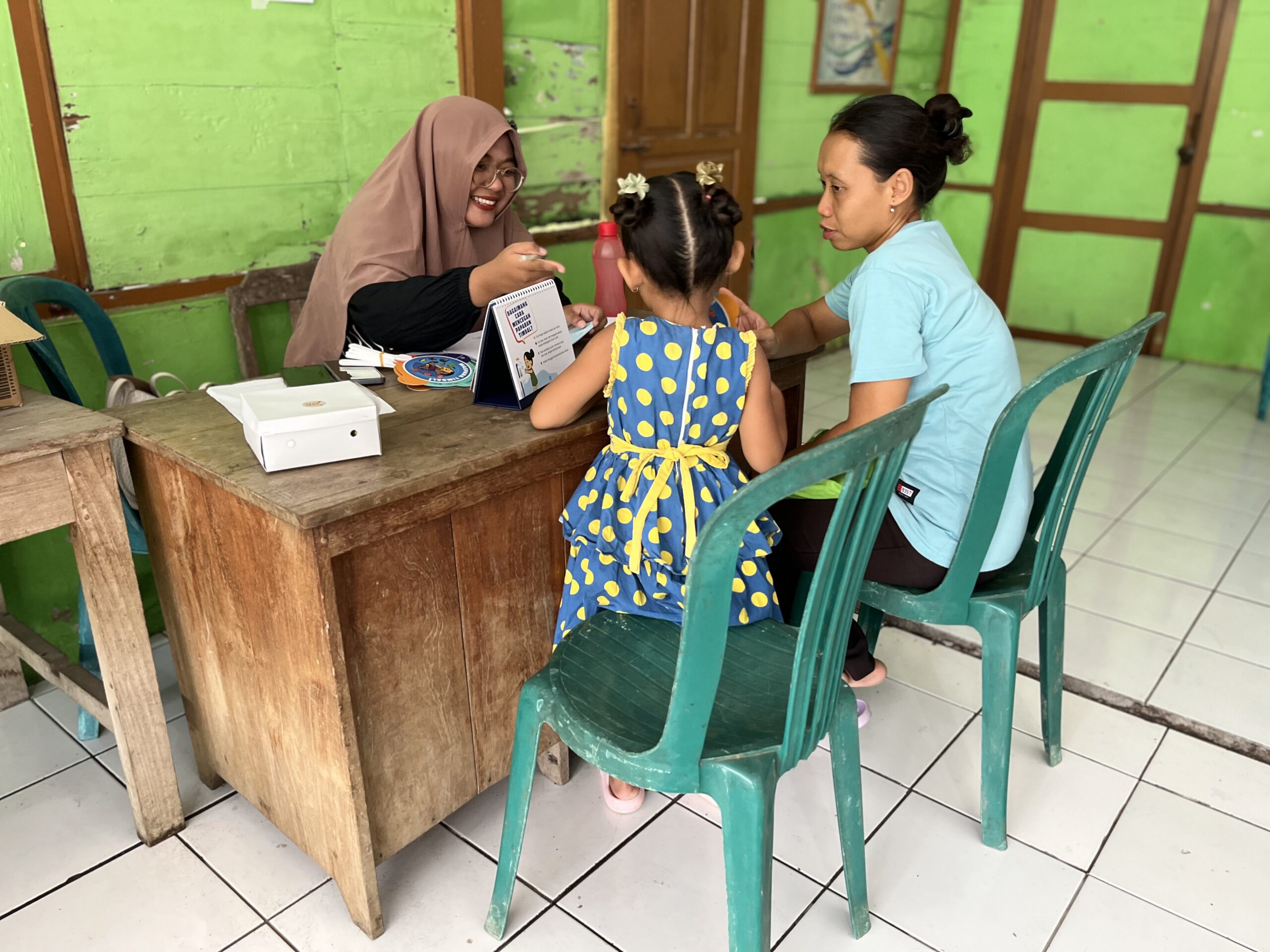
In this program, midwives, doctors, and nurses served as both counselors and medical personnel responsible for collecting children’s blood samples. Once results were available, they communicated the findings to parents along with education on next steps—whether further examination, routine monitoring at Posyandu, or preventing lead exposure at home.
Posyandu cadres, meanwhile, played an equally vital role. They were the familiar, reassuring faces for parents and children. Their presence made the blood-drawing process feel less frightening, especially for children. When the team conducted home-based assessments to collect samples and check for lead-containing products, cadres served as the communication bridge between the environmental health field team and the family. At the close of each activity, it was also the cadres who ensured that parents understood how to collect the test results and what steps to take following counseling.
Empowered Women, Healthier Communities
From health workers at Puskesmas and cadres at Posyandu, to mothers at home who daily remind children to wash their hands, take off footwear before entering the house, keep floors free of dust, and prepare nutritious meals for the family, women are present at every level of lead exposure prevention. Without women’s dedication across all these levels, addressing lead exposure could not be sustained.
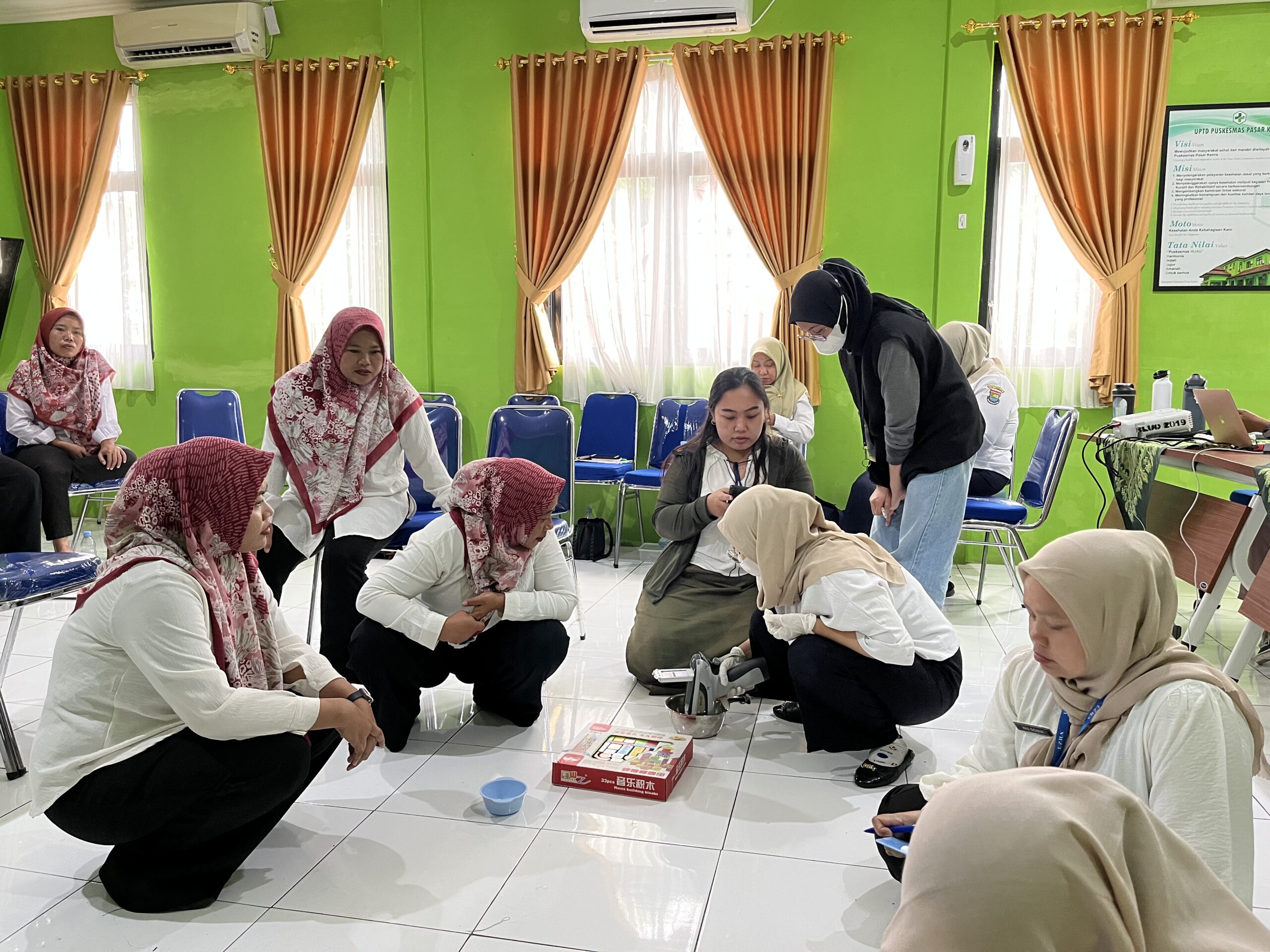
This commitment and dedication should rightfully be reinforced with adequate knowledge and support, so that its impact may last. Community empowerment efforts by the government and civil society organizations—educating women about the dangers of lead and how to prevent it—are a small but meaningful step forward. Small as it may be, this step will have a significant impact, given how women can pass their knowledge on to their families and the communities around them. The more empowered women are in mitigating lead exposure, the healthier their surrounding communities will become.
This article is written by Alfi Sina Vinci, Coordinator of the Strengthening Health Systems to Reduce Lead Exposure Program in Indonesia; and edited by Lina Noviandari, Senior Communications Officer at Pure Earth Indonesia.